

The leaves have antiseptic, expectorant and antispasmodic properties. The plant has
stomach, tonic and cardiotonic properties while also used against
neuralgia. Sage in the form of a decoction is ideal for its healing
in the case of injuries, sores, pharyngitis and gingivitis.
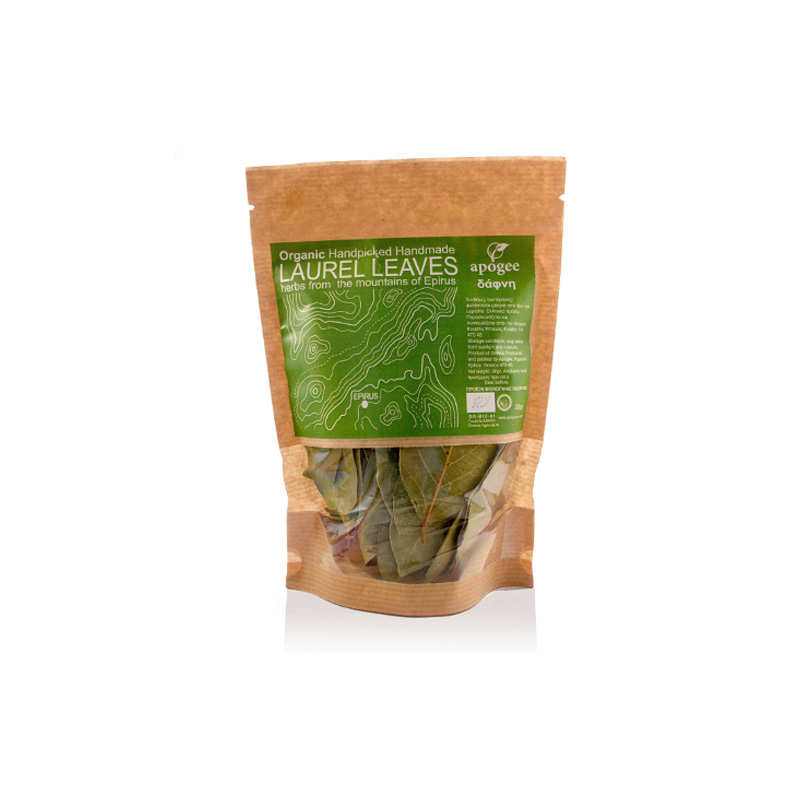
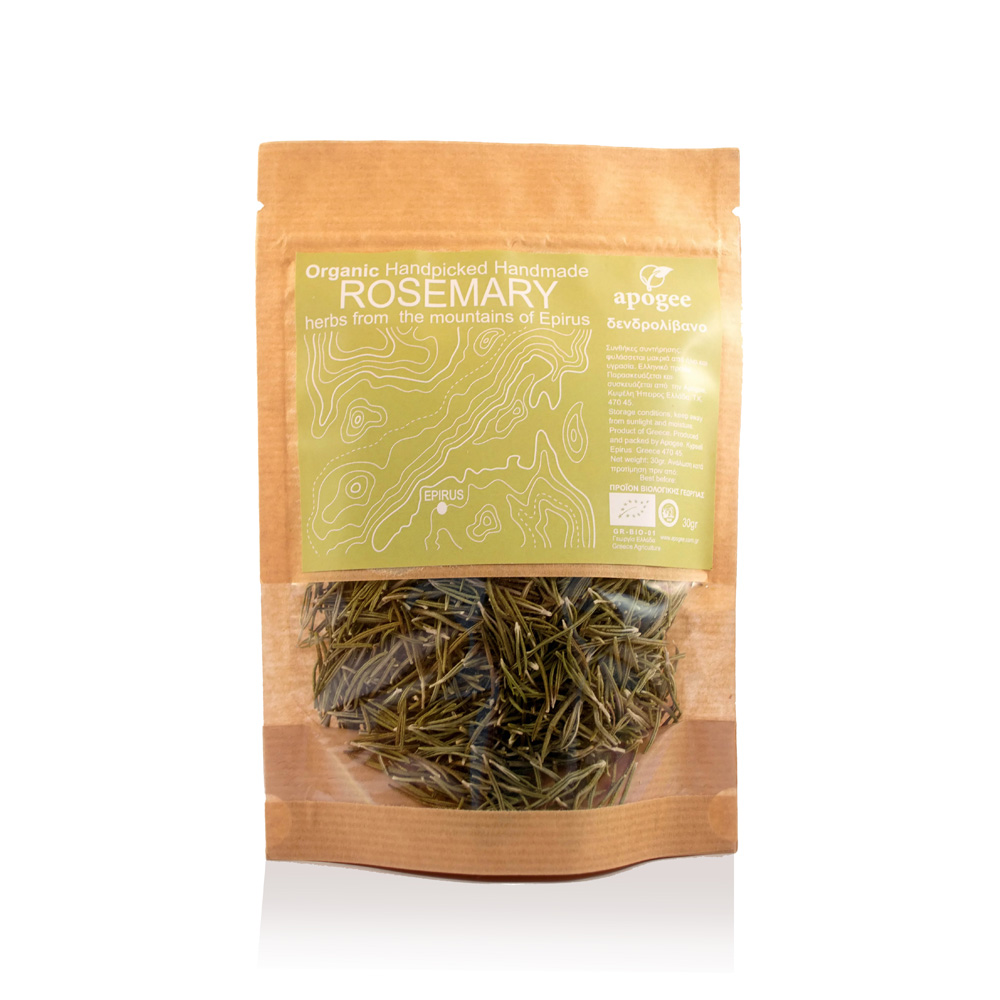
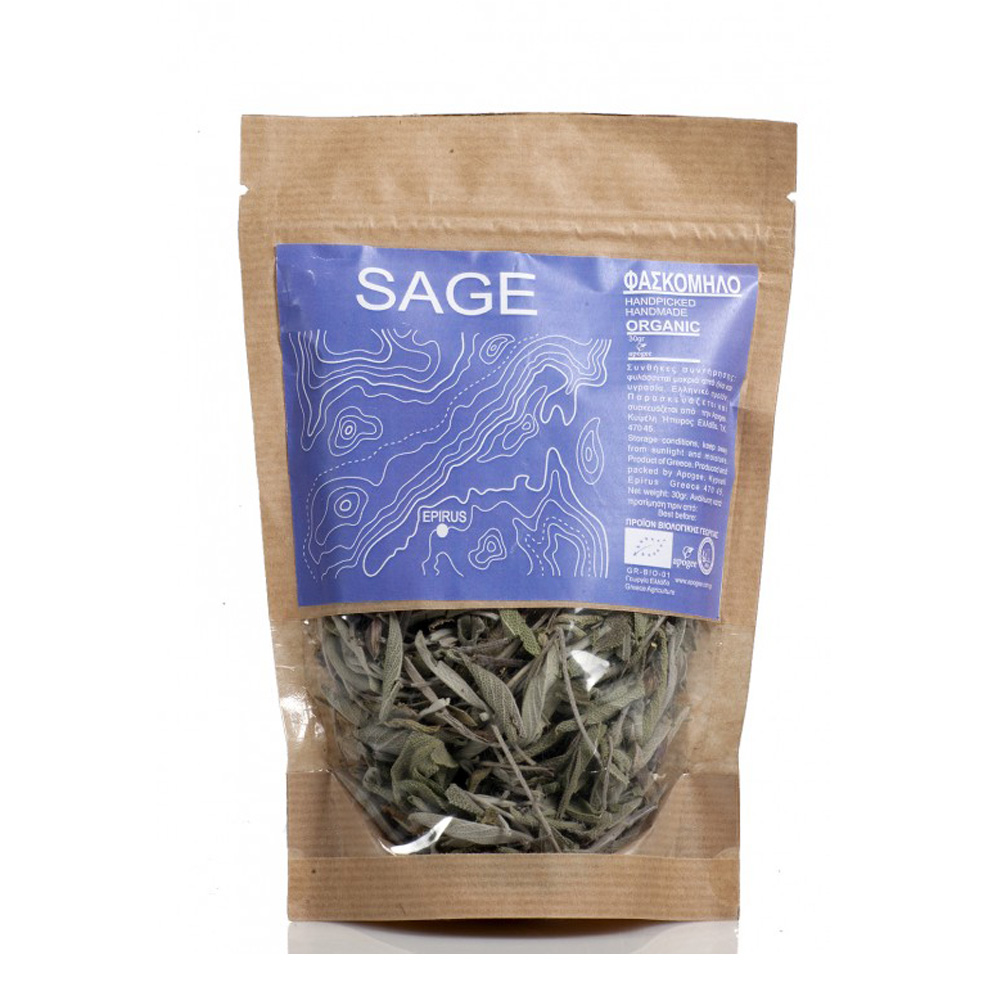
Available in kraft bags with zip closure, 25gr.
Sage gets its Latin name "salvia" from the verb salvere, which means
Im healthy.
The sage was known in antiquity and is mentioned by Dioscorides, Aetius,
Hippocrates and Galen, who especially praised it, as they used it in
snake bites but also generally as a tonic for the mind and body. In ancient
Greece women welcomed men from the war with a sage drink for
to "stimulate" fertility. "How can a man who has in his garden die
sage;" say the Arabs. The Chinese call it a Greek sprout and consider it
better than tea and exchanged three times the quantity of the best quality
of tea with a small amount of sage.
To our body :
The leaves have antiseptic, expectorant and antispasmodic properties. The plant has
stomach, tonic and cardiotonic properties while also used against
neuralgia. Sage in the form of a decoction is ideal for its healing
in the case of injuries, sores, pharyngitis and gingivitis.
In the kitchen :
Used to flavor various broths, foods and vinegar. Its taste
It is quite peppery and goes well with fatty meats and cheeses.
Available in kraft bags with zip closure, 25gr.